
소재 1개 승자 뽑아 몰빵하던 시대의 종료 선언
과거 Meta 광고 운영의 교과서는 간단했다. A/B 테스트로 승자 소재를 찾고, 그 하나에 예산을 몰빵한다. CPM을 낮추고 전환을 쌓는 가장 확실한 길이었다.
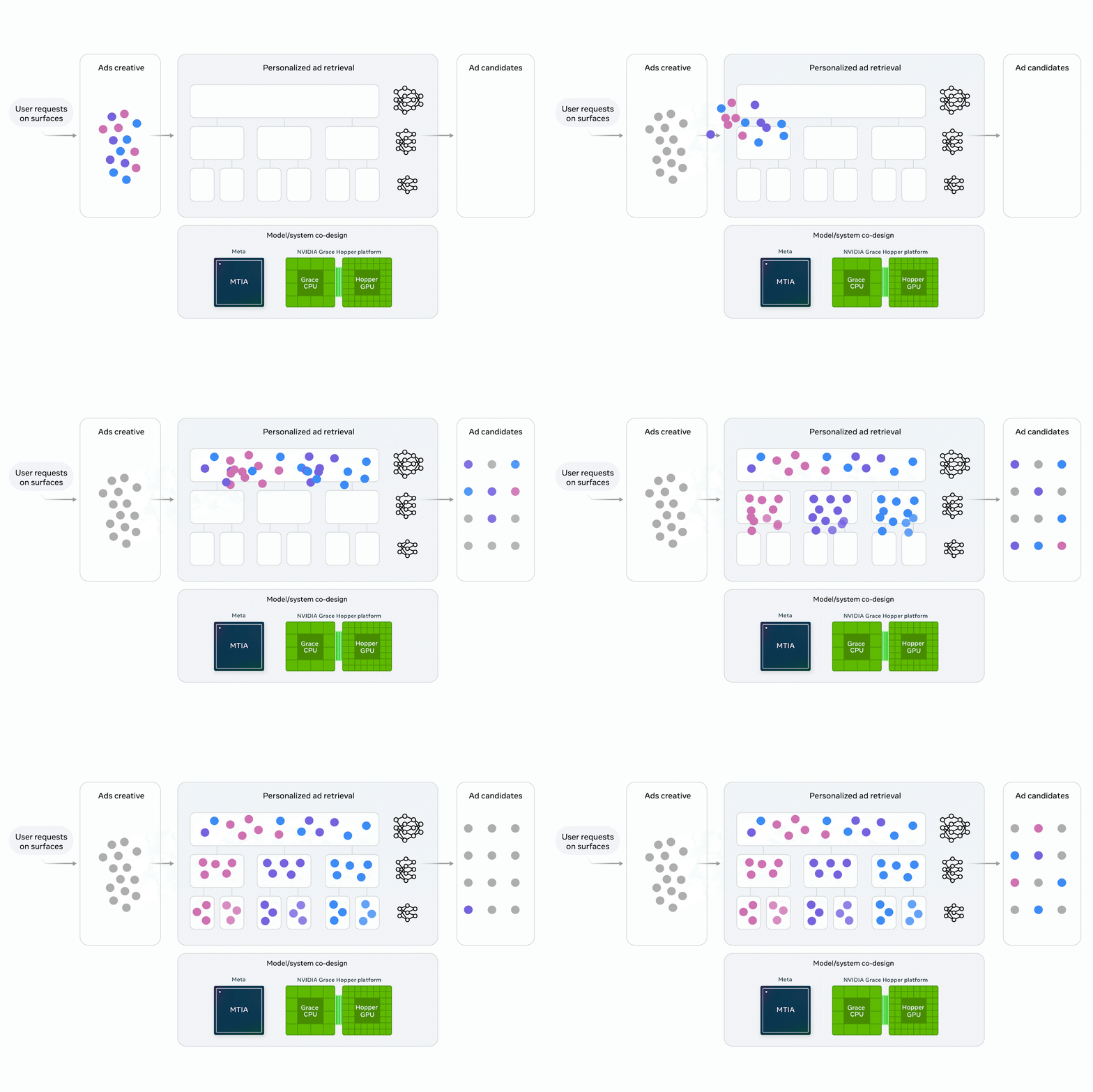
이 공식이 뒤집혔다. Meta가 공식 뉴스룸에서 Creative Diversification 프레임을 정면으로 밀기 시작했다. 한 줄로 요약하면:
소재 하나 승자 찾지 말고, 10~50개를 같이 돌려라.
출처: Meta Business News — The Creative Advantage
왜 뒤집혔나 — Andromeda가 배경
이유는 매칭 엔진 교체에 있다. 2024-12 공개 이후 단계적으로 롤아웃 중인 Andromeda는 한 번에 수만~수십만 후보 광고를 평가한다. 후보가 많을수록 이 시스템이 똑똑해지는 구조. 광고 세트에 소재가 1~2개밖에 없으면 Andromeda가 테스트할 재료 자체가 부족하다.
즉 "잘 되는 소재 1개 찾기"는 틀린 질문이 됐다. 바뀐 질문은 "충분한 다양성을 공급할 수 있나".
이 전략 쓰는 팀이 이미 하는 것
Meta가 공식 사례로 든 Dribbleup(이커머스 D2C)의 증언:
"전에는 주당 3~4개 신규 소재. 지금은 평균 50개. 성과는 그대로 유지하면서 확장할 수 있었다." — Ben Paster, Dribbleup 이커머스 총괄
주당 50개가 비현실적으로 들릴 수 있지만, 핵심은 숫자가 아니라 생산 시스템의 변화다. 그들은 인하우스 팀으로 돌려서 "소재 제작 → 집행 → 피드백"의 루프를 짧게 가져갔다. 외주로 주당 50개는 비용 폭발.
그래서 내 팀은 뭘 바꿔야 하나
스몰 팀이 당장 주당 50개는 어렵다. 단계적으로 올리자.
| 단계 | 현재 생산량 | 목표 |
|---|---|---|
| 1주차 | 주당 2~3개 | 주당 5개 |
| 2~4주차 | 주당 5개 | 주당 10개 |
| 5주차+ | 주당 10개 | 주당 15~20개 |
핵심 질문 3가지:
- 소재 변형을 자동화할 수 있나 — 텍스트 스와핑, 컬러·배경 교체, 포맷 변환(가로→세로). 이걸 매번 새로 디자인하지 말고 템플릿화.
- AI 툴 사용 중인가 — Advantage+ Creative(Meta 내장)만 써도 1개 소재가 자동으로 여러 변형으로 확장된다. 텍스트·배경 자동 생성. 안 켜져 있으면 이득 놓치는 중.
- 피드백 루프가 몇 주인가 — "이번 주 집행 → 2주 분석 → 다음 달 새 소재" 구조면 느리다. 집행 당일 데이터 보고 다음 날 아이디어 수정 정도가 기본값이어야 함.
판단 기준: 내가 Creative Diversification을 켜야 하는가
다음 중 2개 이상이면 지금 바로 전환해야 한다.
- 광고 세트당 소재가 1~2개로만 운영 중
- 최근 2개월간 같은 소재가 계속 1위로 남아있음 (승자 몰빵 중)
- Advantage+ Sales 캠페인을 안 쓰거나 비중이 50% 이하
- Advantage+ Creative 기능을 안 켰다
- 빈도(Frequency)가 5 이상으로 올라가는데 소재 교체를 안 함
Creative Diversification이 맞지 않는 경우
모든 계정에 맞지는 않는다. 다음이면 다양성보다 콘텐츠 일관성이 더 중요하다.
- 브랜드 초기 단계 — 아직 정체성이 약해서 메시지가 산만해지면 인지가 안 쌓임
- 고관여 상품 (B2B SaaS, 프리미엄 B2C) — 복잡한 가치 제안이라 메시지 여러 버전으로 쪼개면 흐려짐
- 예산이 $20/일 이하 — 학습 자체가 어려워서 다양성이 오히려 분산 효과
이 경우는 "소재 3~5개 유지 + 월 1회 교체"의 중간 전략이 현실적.
공식 발표의 숨은 의미
Meta가 이 프레임을 공식화했다는 건 의미가 크다. 단순히 "좋아요" 수준의 권고가 아니라 다음 1~2년간 광고주 성과를 가르는 축이라고 선언한 것. 이 방향을 따르지 않는 계정은 Andromeda·GEM 등 연쇄 업데이트에서 혜택을 못 받는다.
운영자 일의 성격도 바뀐다. "입찰·타겟팅 최적화 전문가" → "소재 공급·기획 디렉터". 이 전환을 일찍 시작한 계정이 6개월 뒤 CPA에서 앞선다.
소재 기획·카피·AI 소재 반복 생산의 실전 프레임은 메타 광고 3권에서 자세히 다룬다.