
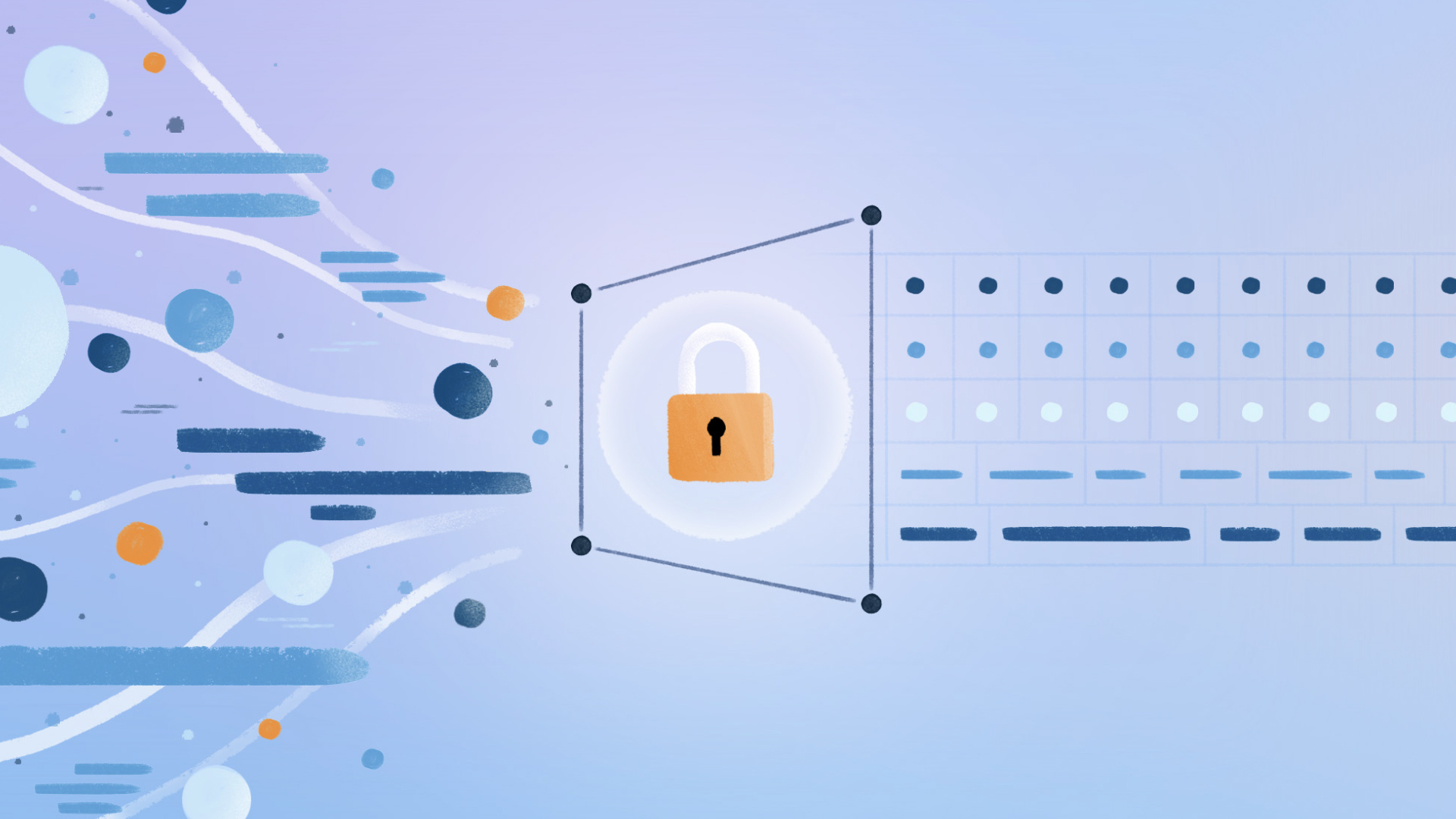
"How does Meta isolate batch-processing data?"
Meta Engineering Blog, July 2025. A continuation of the previously announced Privacy Aware Infrastructure. This time, Meta disclosed Policy Zones — specialized for batch processing systems.
Meta processes ad data in two modes, real-time (online) and batch (offline):
- Real-time: Ad impression decisions (PAI handles this)
- Batch: Large-scale data analysis, AI model training, Lookalike generation, etc.
Policy Zones enforces purpose limitation on the batch side.
Source: Meta Engineering — Policy Zones: How Meta enforces purpose limitation at scale in batch processing systems
Why batch processing is tricky
Batch processing:
- Handles tens of petabytes of data in one pass
- Runs many jobs in parallel and in chained pipelines
- AI model training needs weeks to months of data
Tracking and controlling "which data is used for which purpose" inside this is a hard problem. Policy Zones solves it with zone-based isolation.
How Policy Zones work
Concept:
- Each batch job is assigned to a specific "policy zone"
- Each zone defines permitted data types and uses
- Data movement between zones is allowed only through sanctioned paths
Examples:
- "Ads Optimization Zone" → Purchase event access: OK
- "Content Recommendations Zone" → Purchase event access: blocked
- "AI Training Zone" → only aggregated, consented data accessible
When a zone violation is attempted, it's blocked automatically + logged for audit. This prevents developers or systems from accidentally using data outside its purpose.
What this means for advertisers in practice
1. You can answer "Is my ad data used to train AI?"
The typical answer: "Only consented, aggregated data is used; individual audiences are used only for ad optimization." Policy Zones structurally guarantees this.
When briefing legal or privacy stakeholders, you can describe PAI + Policy Zones together as "Meta separating data at the infrastructure level."
2. Restrictions on data reuse when new features ship
Even when Meta ships a new AI feature, it doesn't automatically use your existing customer data as training material. A separate consent and zone match is required.
3. Stronger defense against regulation
Privacy regulation is trending up across the EU, Korea, and California. Policy Zones is Meta's evidence for regulatory audits. Advertisers benefit indirectly from that protective layer.
So what about us?
What to do:
- Update your privacy policy (clearly state Meta Pixel / CAPI usage purposes)
- Use a cookie-consent tool to collect user consent rigorously
- When a customer requests deletion, forward it to Meta too
What you can stop worrying about:
- Your ad data is not used by other advertisers or AI without authorization
- Even Meta's internal developers cannot access data outside its purpose
- Policy Zones is enforced at the infrastructure level (safer than policy documents)
Risks that still fall on advertisers:
- Sending sensitive events (health, finance, politics) directly will be rejected by Meta
- Uploading a Customer List without consent → policy violation
- Legal regulations keep evolving (especially EU AI Act, etc.)
The long-term trajectory
Privacy Aware Infrastructure (2024) → Policy Zones (2025) → what's next? Meta is building data governance as infrastructure-level competitive advantage. For advertisers, a medium-to-long-term trust asset.
The flip side: the price of this investment is that Meta is restricting some data collection and matching options. Measurement accuracy has been dropping continuously since iOS 14 and the end of third-party cookies. Leveraging auxiliary signals like CAPI and Advanced Matching is now mandatory.
Tracking, privacy, and data governance are covered in Meta Ads Book 5.