
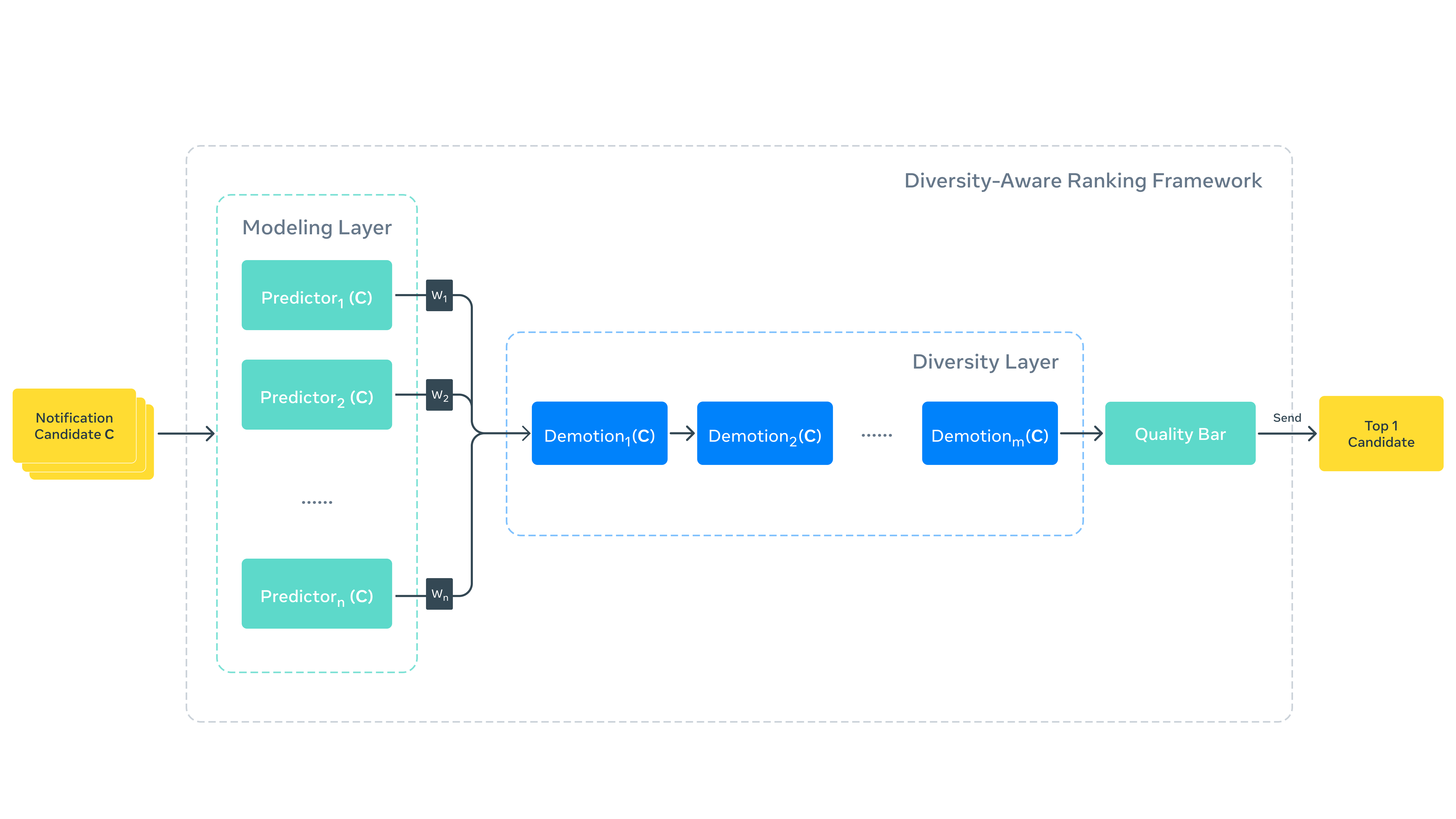
Instagram is now managing notification quality with ML
Meta Engineering blog (2025-09). Instagram is starting to manage push notifications and in-app alerts through a new ranking framework. The goal: break the "too many notifications → users tune out → everything gets ignored" cycle.
Source: Meta Engineering — A New Ranking Framework for Better Notification Quality on Instagram
How it works
Signals the system evaluates:
- User's notification open history
- Rate of turning notifications off or limiting them
- App re-visit frequency
- Match between notification content and user interests
These signals dynamically adjust notification density per user. Low-interest users get fewer notifications.
What changes for advertisers
1. Shifting efficiency on re-engagement campaigns
"Push inactive users to bring them back" is getting harder. Meta is defaulting to sending fewer notifications. Time to recalibrate retention campaign KPIs.
2. Possible drop in messaging-ad reach
Messenger ads and WhatsApp Business messages that arrive as push notifications can be affected by this framework. Lean less on default push.
3. In-app notification prioritization shifts
Within the notification tray, lower-priority notifications get hidden. If your brand's notifications don't match user interest, they may not appear at all.
So what do we do?
Check:
- Reach trends on retention and re-engagement campaigns (compare quarter over quarter)
- Open rates on messaging ads (rebalance channels if they drop)
- Revisit promotion strategies that depend on push
Respond:
- Re-engage with regular feed ads instead of push
- Target notifications at high-interest segments only (blasting everyone wastes efficiency)
- Maintain brand salience through continued Feed and Reels exposure, not notification volume
Wider context
Meta sees "notification fatigue" as a platform-health threat. Their call: sending fewer notifications is better for users and advertisers long-term.
Advertisers need to shift from "we can send, so we send" to "we send only when it's worth it."
Retention, re-engagement, and metric interpretation are covered in Meta Ads Book 4.